Views: 0 Author: Site Editor Publish Time: 2025-09-30 Origin: Site
Tip: Modular construction makes it easy to add space or make changes.
Prefab houses are built fast. You can move in after 3-4 months. This is much quicker than building regular homes.
Modular design lets you change your home easily. You can add rooms or change layouts. You do not need big changes.
Steel frames make prefab homes strong. They last a long time. With good care, they can last up to 83 years.
Prefab homes have good insulation. This helps save energy. It lowers heating and cooling costs by 20% to 60%.
Prefab homes are good for the environment. They use recyclable materials. They have energy-saving systems. This helps lower your carbon footprint.
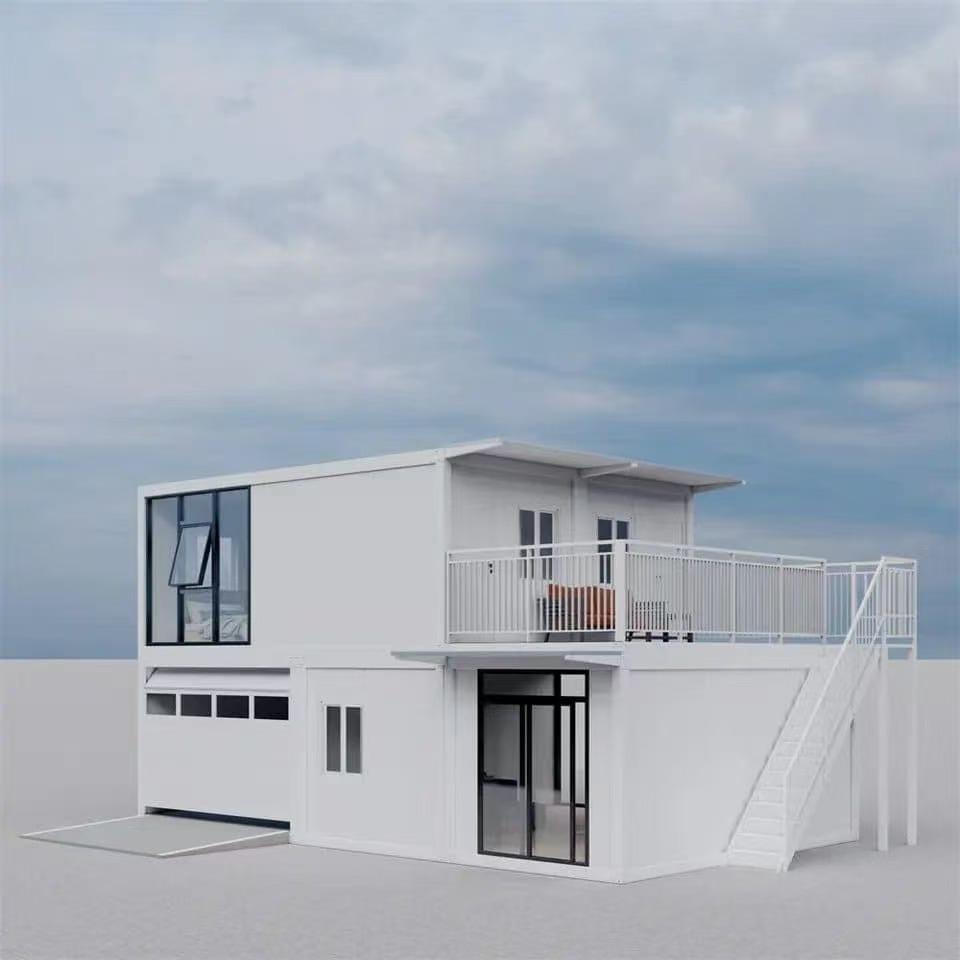
Prefab houses are a smart choice for today’s families. Builders make these homes in factories. They use modular design to build parts called modules. The modules are made in a safe place. Workers put the modules together at your site. This makes building fast and easy. You get a home that fits what you want. It also saves you time.
Let’s look at how modular design is different from traditional building:
Feature | Modular Homes | Traditional Construction |
|---|---|---|
Construction Speed | Factory work makes building faster. On-site assembly takes weeks. | Building on-site is slower and starts from the ground. |
Flexibility | You can change the design and features easily. | Changing things is hard because of the site. |
Project Timeline | You can finish the project 20 to 50% faster. | Building takes longer because steps happen one after another. |
Nanjing Palin Integrated Housing Technology Co., Ltd uses modular design to help you get a home or office that matches your style. You can pick layouts and features that fit you best. This way, building is quick and flexible.
Prefab construction follows simple rules to help you. Here are the main ideas:
Builders use parts made in factories. This makes building faster and keeps quality high.
The building site stays quiet and clean. Your neighborhood is less disturbed.
Many prefab homes use special materials like insulated panels. These help save energy.
Your prefab house can be ready in three to four months. This is much faster than old ways of building.
When you pick a prefab house, you get a fast building process. Your home meets high standards. Nanjing Palin Integrated Housing Technology Co., Ltd gives you strong, customizable, and energy-saving prefab choices.
Tip: Modular construction helps you save time and enjoy your new space sooner.
Steps in the Modular Construction Process:
You work with experts to plan your home.
Builders check your design for safety.
You get permits for building.
Workers get your land ready.
Factories build the modules.
Teams bring the modules to your site.
Workers put the modules together and connect utilities.
You want your house to last a long time. A steel frame gives strong support to your prefab house. Steel can hold heavy weight and does not bend easily. Builders pick steel because it is stronger than wood. Your house stays strong, even if you add more rooms or floors.
Here is a table that shows how steel frames compare to other types:
Frame Type | Load-Bearing Capacity | Lifespan |
|---|---|---|
Metal Framing | Superior tensile strength, handles larger loads | 40-60 years |
Wood Framing | Excellent compressive strength, flexible | 20-30 years |
Steel frames help your prefab house last longer. Many modular homes with steel frames can last up to 83 years. In Europe and the UK, these homes often last at least 60 years. You can make your house last longer with regular care.
Tip: Steel frames make your house safer and stronger than wood frames.
You need a house that keeps you safe from bad weather. Prefab houses use insulated panels and steel frames for protection. Builders test these homes to make sure they can handle rain, wind, snow, and heat.
Heavy rains and flooding: Raised foundations, water-resistant materials, and good drainage keep water out.
High winds and hurricanes: Strong structures and tight building help your house stay safe.
Snow and cold weather: Designs for heavy snow and good insulation keep you warm.
Extreme heat and dry climates: Heat-resistant materials and airflow help keep your house cool.
Prefab houses also do well in places with earthquakes. The table below shows how prefab buildings compare to traditional ones:
Structure Type | Site Condition | Seismic Performance Comparison |
|---|---|---|
Prefabricated | Soft Soil | Comparable to CIP structures |
Prefabricated | Soft Rock | Comparable to CIP structures |
Cast-in-Place | Soft Soil | Higher seismic response |
Cast-in-Place | Soft Rock | Lower seismic response |
Your house meets or goes beyond local and world building codes. For example, ICC/MBI Standard 1200 and 1205 help builders follow strict safety rules.
Standard | Description |
|---|---|
ICC/MBI Standard 1200 | Guidance for planning and preparation of offsite construction, ensuring compliance with local building codes. |
ICC/MBI Standard 1205 | Addresses inspection and regulatory compliance challenges, streamlining the approval process for off-site construction. |
You want your house to be safe and reliable. Factories use strict checks during prefab building. Workers look at every part to make sure it is good.
Quality Control Measure | Description |
|---|---|
Stringent Quality Control | Adherence to strict quality control measures during manufacturing ensures durability and reliability. |
Building Information Modeling (BIM) | Utilization of BIM helps streamline workflows and maintain high-quality standards. |
Prefabrication Checklists | Ensures each stage of the prefab process meets high-quality standards. |
Verification of Specifications | Confirms that components are produced according to exact specifications. |
Dimensional Checks | Ensures all elements are fabricated to correct dimensions for seamless fitting. |
Clash Detection | Identifies potential conflicts between building systems to minimize rework. |
Material Quality Checks | Verifies that materials meet required standards and specifications. |
Construction Check | Reviews assembled components to ensure alignment with design and performance criteria. |
Factories use automated checks of BIM models to improve quality. Regular audits and version control help keep standards high. You get homes that match or are better than traditional ones. Factory settings also lower the chance of water damage, so your house lasts longer.
Note: Regular care and quick repairs help your prefab house stay strong. Checking and cleaning each season stops leaks or rust.
Some people think prefab homes are not as strong. But prefab homes use the same materials and rules as regular homes. Careful checks and exact building steps make sure your house will last.
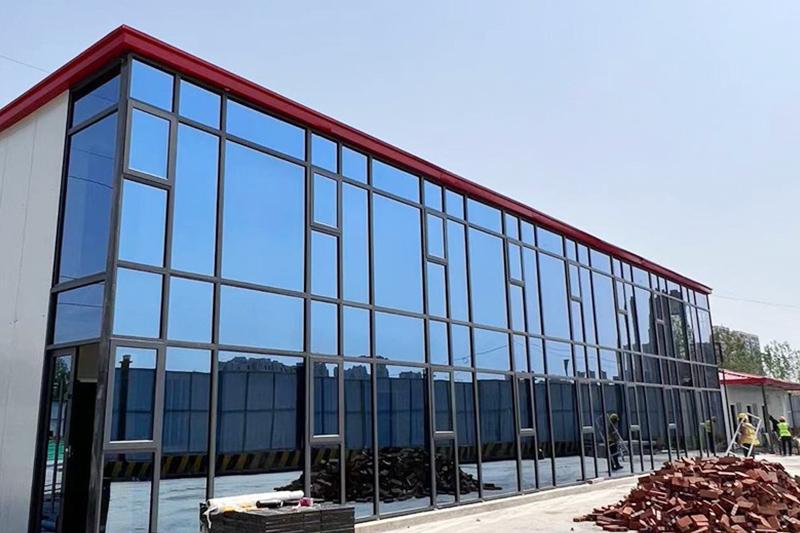
You want your prefab house to feel good all year. Good insulation helps you save money and energy. Builders use special materials to keep heat inside in winter. In summer, these materials keep heat out. You can find fiberglass, spray foam, and rigid foam panels in prefab homes. These materials stop heat from getting out. This means your heating and cooling systems do not work as hard.
Here is a table that shows how different insulation materials help save energy:
Insulation Material | Performance Impact on Energy Consumption |
|---|---|
Cellulose Fibre | Best performer in energy efficiency. |
Cork | Performs better with earth, lower energy for heating. |
Hemp | Effective in reducing carbon emissions. |
Rigid Foam Panels | High R-values, minimizes heating and cooling costs. |
Spray Foam | High R-values, reduces strain on HVAC systems. |
Fiberglass | Efficient in insulation. |
You can save a lot of energy with good insulation. Many people save between 20% and 60% on energy bills. An ENERGY STAR® home saves about $450 each year. Some prefab homes cut heating and cooling costs by half. You get comfort and lower bills at the same time.
Tip: Good insulation means you use less energy and your home is quieter.
Prefab homes use smart design to help the planet. Builders pick materials that you can recycle. Factories make parts with exact sizes, so there is less waste. Water-saving fixtures and appliances help you use less water every day.
Here are some ways prefab homes help the environment:
Good insulation and energy-rated appliances use less energy.
LED lights use less power and last longer.
Builders use green materials to lower pollution.
Water-saving appliances and fixtures help you save water.
Making parts in factories creates less waste than building on-site.
Prefab homes also help lower your carbon footprint. Over time, these homes can cut carbon emissions by about 8%. Some projects show even bigger drops, up to 31%. You help the earth when you pick a prefab house.
Note: Sustainable design gives you a home that is good for you and the planet.
You can make your prefab house even better with smart systems. Solar panels give you clean energy from the sun. You can add solar water heaters to warm your water. Solar batteries store energy for later use.
Smart thermostats let you control heat and cool with your phone. You can set times to save energy when you are not home. Energy-efficient windows keep your home warm in winter and cool in summer. All these features help you save more energy.
Here are some good things about smart systems in prefab homes:
Solar panels help lower your electric bills.
Solar water heaters use the sun to heat water.
Solar batteries save extra energy for later.
Smart thermostats help you use less energy.
Energy-efficient windows keep your home comfy.
You can also get help from the government for energy-efficient prefab homes. Here is a table with some incentives and certifications:
Incentive/Certification | Description | Amount Available |
|---|---|---|
§ 45L Tax Credit | For homes certified to ENERGY STAR program requirements. | $2,500 for single-family and manufactured homes; $500 for multifamily homes (up to $2,500 with prevailing wage). |
Federal Tax Credits | For energy-efficient upgrades until December 31, 2025. | Up to $3,200 for homeowners. |
Residential Clean Energy Credit | 30% income tax credit for clean energy equipment. | 30% of the cost for eligible equipment. |
Prefab homes help cities grow in a smart way. You see more friendly communities and fewer problems. Builders work with local leaders to make sure prefab homes fit in. These homes follow rules that keep cities safe and nice. You get a home that helps the planet for a long time.
Tip: Smart systems and solar power make your prefab house ready for the future and very efficient.
You want your home to be ready fast. Prefab house construction is quick and efficient. You can move in within 3-4 months. Regular houses take 9-12 months to finish. Fast building means less waiting for you. You also save more energy. Builders make modules in factories. They put them together at your site. This helps when you need homes quickly, like for emergencies or offices.
Fast building helps you react to changes fast.
You save time and money with these methods.
You get a great home without long delays.
Tip: Fast building lets you start living or working sooner.
You can change your prefab house to fit your needs. Modular expansion lets you add rooms easily. You might want a bigger bedroom or a new office. Builders connect new modules to your house quickly. You do not have to move out or wait long. This makes prefab homes smart for families or businesses that grow.
Modular expansion gives you more space when needed.
You can change your home for comfort or work.
Smart design and solar features help you save energy.
Prefab houses come in many types. Detachable container houses are easy to move. Flat pack container houses let you change layouts and stack them. Folding container houses are simple to store and transport. Expandable container houses have ready-made interiors for quick use.
Type | Adaptability | Use Cases |
|---|---|---|
Flat-pack | High; you can change layouts and stack them | Good for long-term homes and big buildings |
Expandable | Low; layout stays the same once opened | Good for quick use and ready-made interiors |
Detachable | Moderate; flexible but less open than expandables | Good for short-term homes and easy moving |
Prefab homes work in many places. You see them as homes, shelters, or offices. In 2024, most prefab houses were used as homes. More people want temporary housing now. You can use prefab for hospitals, schools, or emergency centers. These homes move easily and fit new places.
Application Type | Description |
|---|---|
Medical Facilities | Triage units, care rooms, and isolation spaces |
Educational Facilities | Temporary classrooms for kids |
Emergency Operations Centers | Command centers for disasters |
Supply Warehousing | Safe storage for important supplies |
Restrooms and Shower Trailers | Clean spaces for people who need them |
Prefab homes help after disasters too. You get emergency housing right away. Later, you can use these spaces as guest houses or offices. Real examples show prefab homes work in many climates. You find solar-powered homes in the UK. Vietnam has eco-friendly designs. Wales saves energy with prefab homes. These homes show prefab is efficient and flexible.
Note: Prefab homes give you choices for living, working, and helping others. You get high efficiency, energy savings, and solar options for every need.
Prefab house construction gives you a home that is strong and works well. You get safety and comfort because builders use good insulation and fire-resistant materials. Prefab homes help you save both money and time:
Cost Saving Aspect | Description |
|---|---|
Reduced construction costs | Prefabrication can lower costs by up to 20%. |
Faster construction schedules | Building time can be half as long. |
Improved labor efficiency | Offsite work can cut labor costs by up to 25%. |
Enhanced productivity | Factory work doubles how much gets done and cuts delays. |
Builders now use better systems, green materials, and smart features. These new ideas make prefab homes last longer and work better. You get a modern home that fits many different needs.


